
A Steakhouse Trading on the Room
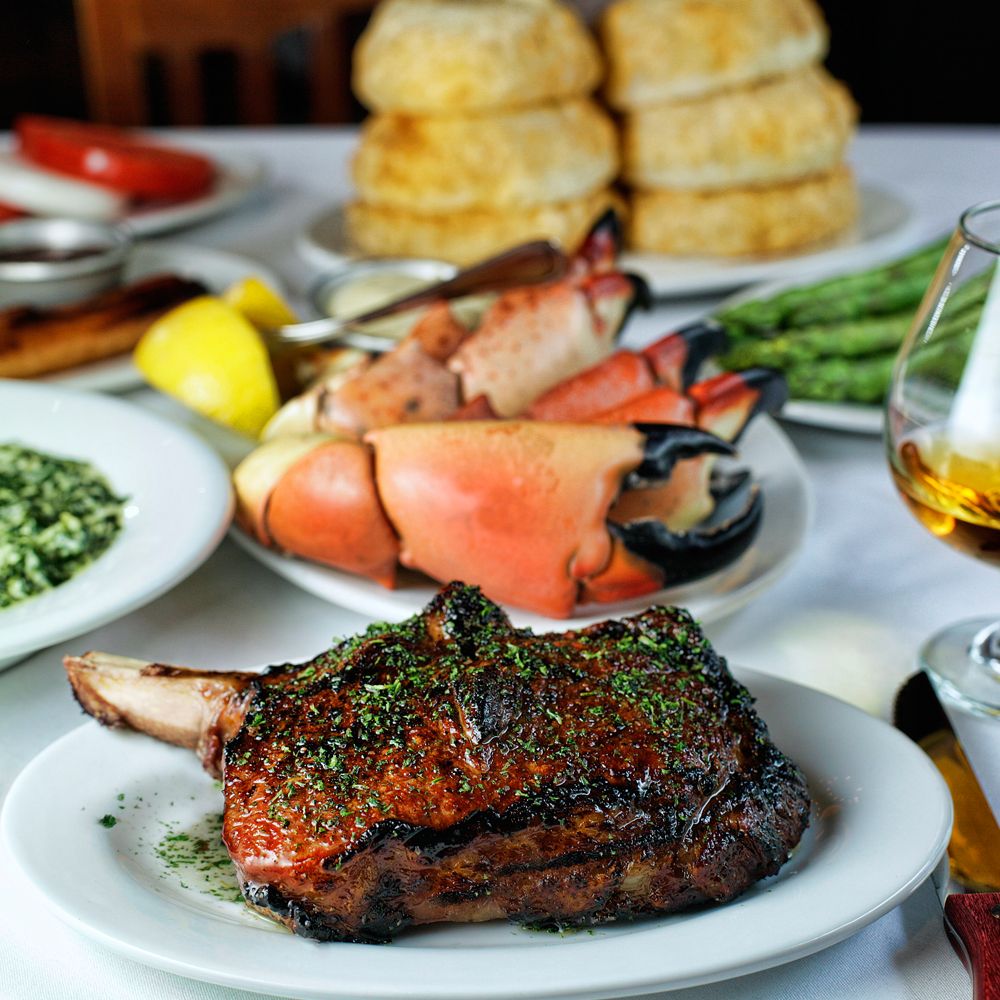
Chophouse New Orleans occupies a familiar niche in the French Quarter: the steakhouse built for parties who want white tablecloths and a break from Bourbon Street's noise rather than a culinary argument. The signature format here is the national steakhouse template, dry-aged cuts, chops, the expected sides, priced at the high end and served in a dining room designed to feel like an occasion. That is precisely its appeal to some and its limitation to others. Visitors escaping the Quarter's rowdier corners find the quiet dining room and the formality a relief, and for a party looking to mark a birthday or an anniversary away from the crowds, the room does what it is built to do.
But the record on the kitchen's execution and the front of house is inconsistent in ways that matter at this price point. Parties have reported reservations mishandled and service that stumbled on basics like keeping a table together, which is a serious problem for a room charging steakhouse prices and asking guests to trust it with a celebration. And more than one diner eating solo has walked out having spent close to two hundred dollars and concluded that the bill was paying for the room's polish rather than for what came off the grill. That is the central tension at Chophouse: the New Orleans steakhouse category, whether in the Quarter or the CBD, has real competition, and a kitchen charging at this level has to make the case with the meat itself, not just the tablecloths and the wine list.
For a city whose fine-dining reputation rests on Antoine's, Galatoire's, and the Link group's more disciplined modern rooms, a steakhouse trading heavily on setting rather than a consistently executed chop reads as a tourist-forward option first and a serious dining destination second. It suits a party that wants a formal room and a break from the street outside. It asks more scrutiny from a solo diner or a couple pricing out whether the cut on the plate justified the check.